Wisdom Teeth Removal at Dentistry Lab

Do I Really Need My Wisdom Teeth Removed? An Australian Dentist’s Guide to Symptoms and Timing

As an Australian dentist with years of experience, I often get questions from patients about whether they really need to have their wisdom teeth taken out. Wisdom teeth, which are also called third molars, usually come in when a person is in their late teens or early twenties. If they aren't watched carefully, they can cause serious problems.
A modern dental chair and professional tools in a dental office, ready for a ClearCorrect clear aligners consultation.
We will go over the signs that you might need to have your wisdom teeth taken out, the best time to have the procedure done, and what to think about before making the decision to have teeth pulled. Keep in mind that every case is different, so it's important to talk to your local dentist for personalised advice.

Wisdom Teeth and Why They Might Need Removal

The last molars to grow in a person's jaw are the wisdom teeth. For many Australians, these teeth come in without any problems. But for some, they get impacted, which means they don't fully come through the gums because there isn't enough room. If your wisdom teeth are impacted, they can hurt, get infected, or damage nearby teeth. If your wisdom tooth is hurting, talk to your dentist about having it removed.

It's not always easy to decide whether or not to have your wisdom teeth removed. Some people never have to have their wisdom teeth taken out, while others have problems that keep coming back and make it necessary. The size of your jaw, the way your teeth are aligned, and the health of your mouth as a whole all matter.

I've seen patients who didn't pay attention to early signs of impacted wisdom teeth and then had to have more complicated tooth extractions later on. An early evaluation can prevent problems that don't need to happen, ensuring that removing wisdom teeth, if necessary, goes as smoothly as possible.

Recognising Symptoms That Warrant Wisdom Teeth Removal

Persistent pain in the back of the mouth is one of the most important signs that wisdom teeth need to be removed. A wisdom tooth pushing against nearby teeth or becoming partially impacted is often the cause of this pain. If your gums are swollen, it's hard to open your mouth, or you have bad breath, it could mean that an infection is starting to grow. If you see these signs, don't put off seeing a dentist because problems that aren't treated can get worse and turn into cysts or abscesses.

Another common sign is that the front teeth are crowded. This happens when wisdom teeth come in and push against the teeth, changing the alignment that was achieved through previous orthodontic work. In these situations, getting rid of your wisdom teeth is a way to protect the health of your smile. An impacted wisdom tooth can also cause headaches or stiffness in the jaw by irritating nearby nerves. I've told many patients that getting their wisdom teeth out on time can help address these ongoing problems without making them worse.

Food can get stuck around a partially erupted wisdom tooth, leading to decay or gum disease in some people. In this case, taking out the tooth is often necessary to keep the other teeth healthy. It's important to keep a close eye on these signs because ignoring them could mean needing emergency dental care, like having wisdom teeth removed right away.

A dentist carefully examining a patient’s teeth during a ClearCorrect clear aligners consultation for teeth straightening.

Timing Your Wisdom Teeth Removal: When Is It Ideal?
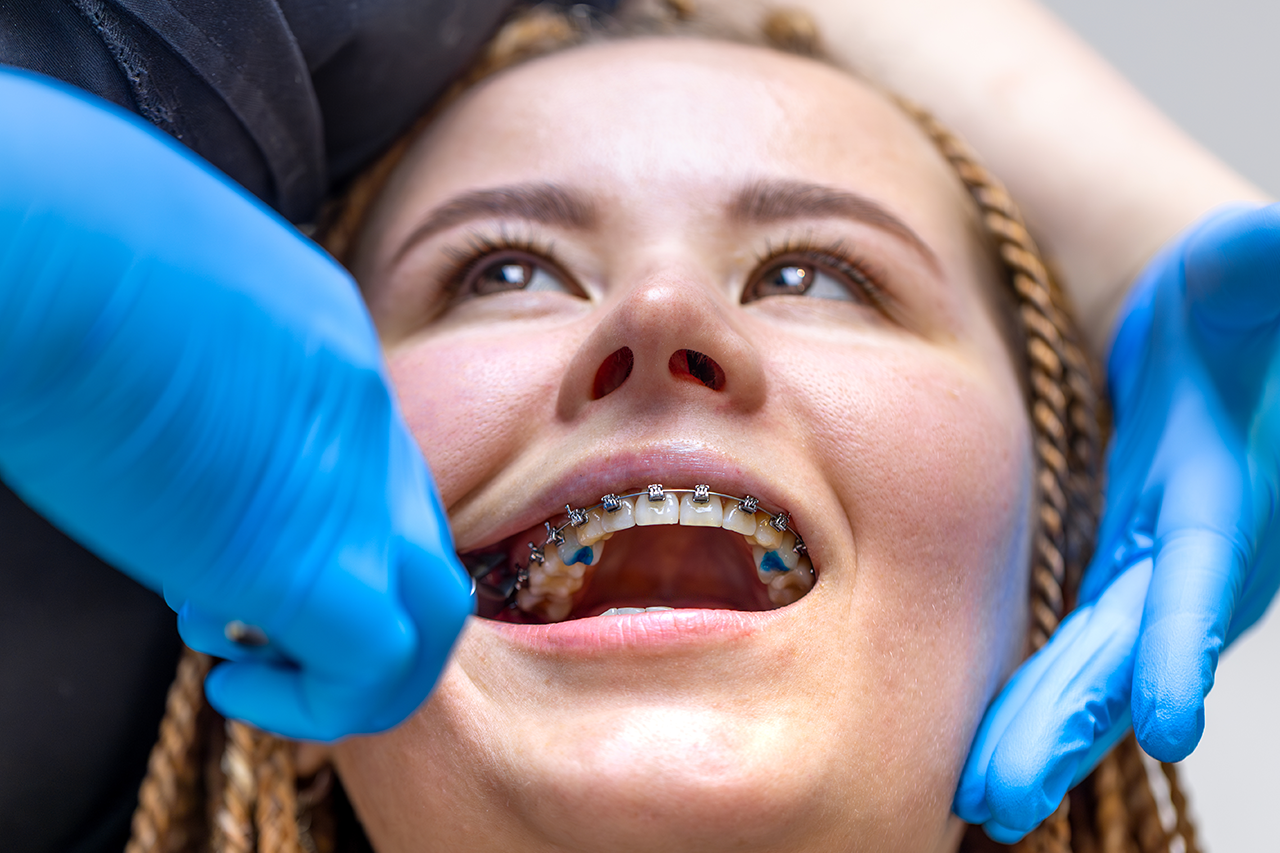
The best time to have your wisdom teeth taken out is usually between the ages of 18 and 25, when the roots are not fully formed. This makes the extraction easier and the recovery faster. Younger patients usually heal faster, which lowers the risk of complications such as dry socket, a painful condition that occurs when the blood clot comes loose from the extraction site. As an Australian dentist, I suggest that people in this age group have regular check-ups to see if they need their wisdom teeth removed.

But not everyone needs to have their wisdom teeth taken out right now. If your wisdom teeth are fully grown, straight, and easy to clean, you may not need to do anything about them. If X-rays show that your wisdom teeth are impacted and likely to cause problems in the future, though, getting them removed ahead of time could save you pain later on. If you wait until your thirties or forties to have your wisdom teeth taken out, it can be harder because the roots become more firmly attached, which raises the risk of nerve damage or longer healing times.

Australians also care about the seasons. If you plan to have your wisdom teeth taken out during a holiday or a time when things are less busy, you'll have plenty of time to heal. Talk to your dentist about your lifestyle before you have your teeth removed to find the best time.

The Wisdom Teeth Removal Procedure Explained

Removing wisdom teeth is a common outpatient procedure that can be done with local anaesthesia, sedation, or general anaesthesia, depending on how complicated it is. The dentist numbs the area and carefully pulls out the wisdom tooth for a simple extraction. If your wisdom teeth are stuck, you might need to make a small cut in your gums to get to the tooth and then sew it back up.

After the procedure, patients are watched for a short time before going home. The whole process of getting rid of wisdom teeth usually takes less than an hour for each tooth, but it might take longer if you have to get rid of more than one tooth. Following pre-op instructions, such as not eating if you're sedated, is important for safety with any dental procedure.

Possible Risks and How to Avoid Them

Getting your wisdom teeth taken out is usually safe, but there are some risks, such as infection, bleeding, or dry socket. About 2% to 5% of the time, dry socket happens, usually because the clot was moved or because the person smoked. Follow the aftercare instructions: no straws, rinse gently, and eat soft foods to avoid it.

Deeply impacted wisdom teeth can hurt nerves, which is rare but possible. This could make you feel numb for a short time. It's normal to have swelling and bruising, but they should go away in a few days. If you're worried about problems that could come up during the removal of your teeth, a full consultation with your dentist can help. They can explain the specific risks that come with having your wisdom teeth removed.

Recovery After Wisdom Teeth Removal

The length of time it takes to recover from having your wisdom teeth taken out varies, but it usually includes resting for the first 24 to 48 hours. Over-the-counter pain relievers can help, and ice packs can help with swelling. To help your body heal, stick to a soft diet that includes soups, yoghurts, and mashed vegetables.

Most Australians go back to work or school within three to five days of having a tooth pulled, but they should wait a week before doing anything hard. Regular follow-ups help ensure that problems like a dry socket that won't go away don't occur. Taking care of your teeth helps prevent infection, which protects the rest of your teeth.

In my experience, patients who follow these rules have a smooth recovery from having their wisdom teeth removed and can get back to their normal lives quickly.

How to Make an Informed Choice About Wisdom Teeth Removal

In the end, whether or not you need to have your wisdom teeth taken out depends on your own situation. Regular visits to the dentist can help detect problems with molars or stuck teeth early. If you notice symptoms like pain or swelling, getting your wisdom teeth out right away can stop them from getting worse.

The best thing to do is to see an Australian dentist for X-rays and advice. You can make choices that will protect your oral health for a long time if you know what symptoms to look for and when they happen. It's not always necessary to have your wisdom teeth taken out, but if you do, doing it on time will cause the least amount of trouble.

At Dentistry Lad, we are dedicated to being your comprehensive source for all things dental. 

Opening Hours

linkedin facebook pinterest youtube rss twitter instagram facebook-blank rss-blank linkedin-blank pinterest youtube twitter instagram